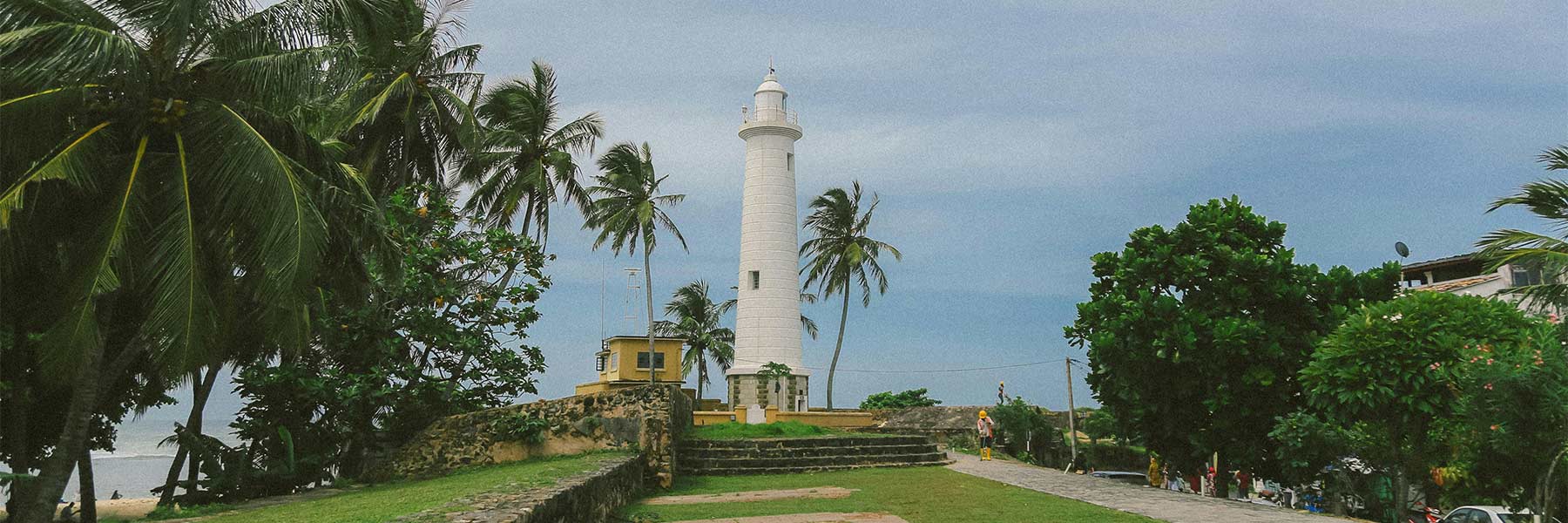
Rising gracefully above the sparkling shores at the edge of the historic fortifications, Galle Lighthouse is one of the most recognisable coastal landmarks on Sri Lanka’s southern coast. Its white cylindrical tower, framed by sea and sky, has guided vessels into Galle’s harbour for generations. For travellers exploring the Fort on foot, it offers a natural pause point where history, architecture and ocean views converge in a single, elegant setting.
Constructed in its original form in 1848 during British rule and rebuilt in 1939 after a fire destroyed the earlier structure, the lighthouse stands at approximately 26.5 metres high. Though modest in scale compared to some global counterparts, its setting at the southeastern tip of the Fort gives it a commanding presence. The surrounding bastions and coral stone ramparts heighten the sense of place, making it one of the most photographed landmarks in the city.
Location and How to Get There
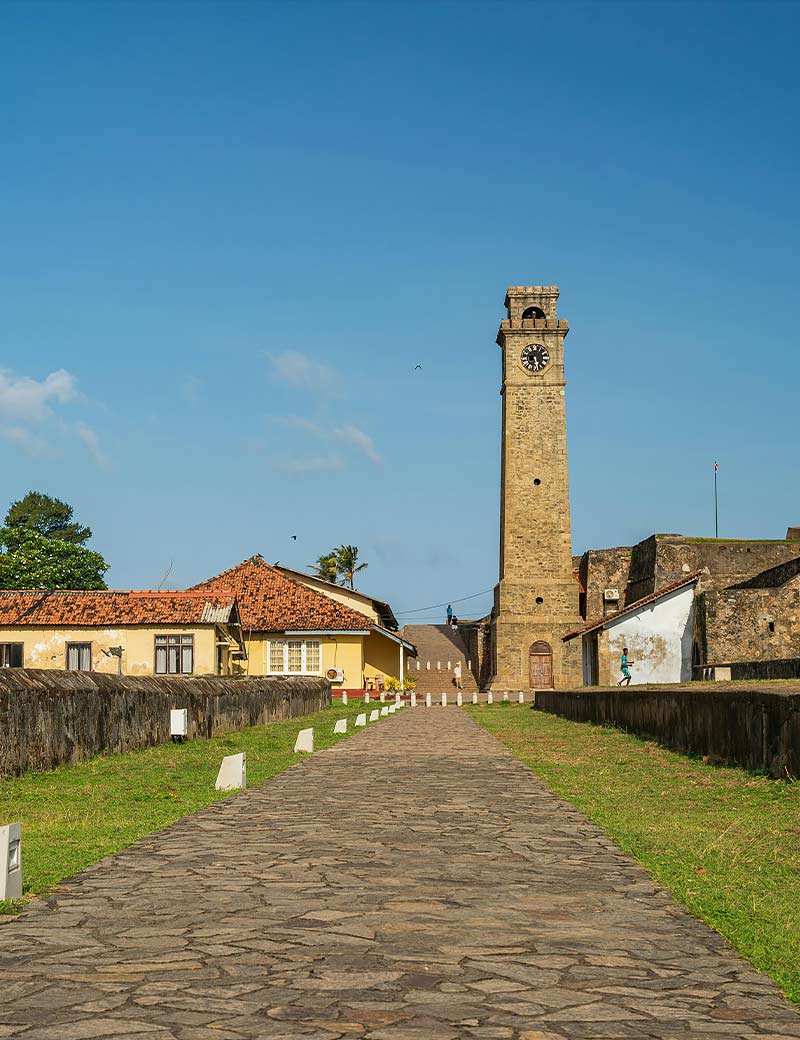
The lighthouse is situated within the UNESCO listed Galle Fort, on Point Utrecht Bastion at the southern edge of the peninsula. If you are already inside the Fort, it is easily reached on foot. The walk from the main entrance near the Old Gate takes around 10 to 15 minutes, depending on your pace and how often you stop to admire the architecture.
Visitors arriving from Colombo can expect a journey of approximately two hours by car via the Southern Expressway. Once in Galle town, parking is available near the Fort entrance. From there, the best approach is to explore on foot, allowing the narrow streets and colonial facades to gradually lead you towards the sea.
As you make your way to the lighthouse, you will pass several notable attractions in Galle Fort, including:
The Dutch Reformed Church, built in 1755
The National Maritime Museum housed in a restored warehouse
The western ramparts, popular at sunset
The path opens onto a small green space surrounding the lighthouse, where locals and travellers alike gather to enjoy ocean views and coastal breezes.
Cultural and Historical Significance
Although the current structure dates to 1939, the lighthouse continues a maritime legacy that stretches back centuries. Galle was a significant trading port long before colonial rule, with connections to Arab, Persian and later European merchants. The lighthouse became a crucial navigational aid during the British era, helping ships safely enter the harbour that had long served as a gateway between Sri Lanka and the wider world.
Architecturally, the tower reflects functional British colonial design. Painted white for maximum visibility against the tropical landscape, it stands in quiet contrast to the darker coral stone walls that surround it. The lighthouse is still operational today, managed by the Sri Lanka Ports Authority, and remains an active part of the coastline’s navigational system.
Beyond its maritime function, the Galle Lighthouse has grown into one of the most iconic famous places in Galle. Its image frequently appears in travel photography, wedding portraits and coastal art.
The reason is clear. The setting captures the essence of the southern coast: historic walls, sweeping ocean horizons and the rhythm of daily life unfolding nearby.
Tips for Travellers
A visit to the lighthouse is straightforward, yet a little planning can elevate the experience.
Visit early morning for softer light and fewer visitors. The sea is calmer and the Fort feels more contemplative at this hour.
Sunset is equally rewarding. The sky often turns shades of gold and coral, casting a warm glow over the ramparts.
Wear comfortable footwear. The cobbled streets and uneven rampart stones require steady footing.
Respect the structure. Visitors cannot climb the lighthouse, as it remains operational. Enjoy the grounds and views from outside.
Photography enthusiasts will appreciate the contrast between the white tower and the deep blue of the Indian Ocean, while during monsoon season the waves add a dramatic dimension to the scene.
Allow time to walk along the southern ramparts after your visit. The vantage point near the lighthouse provides uninterrupted coastal views and a sense of the Fort’s strategic positioning.
A Refined Way to Experience Galle
Time spent at the lighthouse has a way of slowing the day. The ocean stretches uninterrupted to the horizon, the ramparts hold centuries of memory, and the air carries that unmistakable mix of salt and sun warmed stone. Returning from that atmosphere to somewhere equally considered makes all the difference.
Mångata Galle offers accommodation designed for travellers who value privacy, proportion and calm. Clean architectural lines, tactile natural materials and soft coastal tones create an environment that restores balance.
Beyond its rooms, Mångata Galle’s collection of curated experiences and things to do invites a deeper connection with the region, allowing guests to move seamlessly between heritage landmarks and restorative downtime.
To plan your time in Galle and secure your preferred dates, book your stay with us at Mångata Galle and begin your southern coast experience with thoughtful ease.
Related Articles
Augest 25,2025
Travel
Things to Know Before You Go on the Madu River Safari