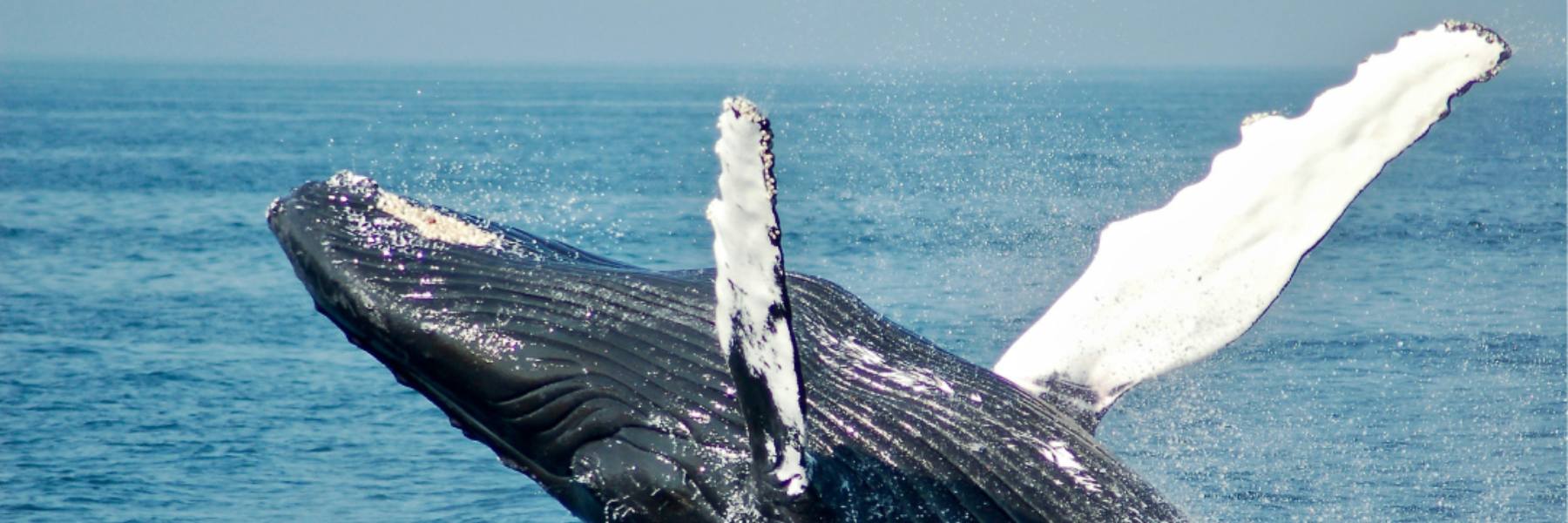
Along Sri Lanka’s southern coastline, the ocean does not sit quietly. It moves with purpose, carrying some of the largest creatures on earth just a few kilometres from shore. For travellers who want wildlife encounters that feel immediate and real, whale watching in Sri Lanka offers something rare. You are not observing from a distance or behind barriers. You are out on open water, scanning the horizon, waiting for that first unmistakable breach.
Sri Lanka’s coastline gives you access to deep ocean waters within a short distance from shore, which is why sightings are so consistent. Where you go depends on the season, and each region offers a slightly different experience.
Here are some of the best places to whale watch in Sri Lanka:
- Mirissa (South Coast): The most popular and reliable spot; the best time for whale watching in Mirissa runs from November to April. This is where you’re most likely to encounter the blue whales in Sri Lanka, often within a few hours of departure. Sightings here are frequent, and the infrastructure around tours is well-developed.
- Kalpitiya (West Coast): Best between December and March, whale watching in Kalpitiya is also known for large pods of dolphins that often travel alongside boats. Whale sightings do happen, though they are less predictable than in Mirissa. The overall experience feels quieter and less crowded.
- Trincomalee (East Coast): From May to September, whale watching in Sri Lanka’s Trincomalee waters is the best option while the south coast is off-season. Sperm whales are more commonly spotted here, and the waters tend to be calmer during these months. It’s also a good choice if you want to avoid peak tourist traffic.
What to Expect During Your Experience
A typical whale watching trip begins early, often before sunrise. Boats leave while the water is still calm, giving you the best chance of spotting movement before the day picks up wind.
The journey itself is part of the experience. You move further offshore, guided by crews who know how to read the water. A patch of stillness, a sudden shift in bird activity, or even a distant spout can signal what is ahead.
During your trip, you can expect to:
- Travel 10 to 20 kilometres offshore depending on conditions
- Spend three to five hours on the water
- Spot blue whales, sperm whales, and several dolphin species
- Learn how migration patterns shape sightings throughout the year
When a whale surfaces, there is no build-up or announcement. It happens quickly. A shadow beneath the surface, a slow rise, and then the full scale of it becomes clear. The moment does not last long, but it does not need to.
Travel Tips for a Better Whale Watching Experience
A good sighting depends on timing, weather, and preparation. Small decisions can shape how comfortable and successful your trip feels.
Keep these in mind when visiting whale watching places in Sri Lanka:
- Book with operators that follow ethical guidelines and maintain distance from marine life
- Choose morning departures for calmer seas and better visibility
- Wear neutral colours to reduce disturbance and glare
- Carry motion sickness tablets if you are unsure about sea conditions
- Avoid peak holiday crowds if you prefer a quieter experience
- Respect matters here. Boats that chase or crowd whales disrupt natural behaviour and reduce the quality of sightings for everyone. The best experiences come from patience and distance.
- It also helps to stay flexible. Conditions can change quickly, and some days offer better visibility than others. Build your itinerary with enough room to try again if needed.
Planning Your Stay Along the Southern Coast
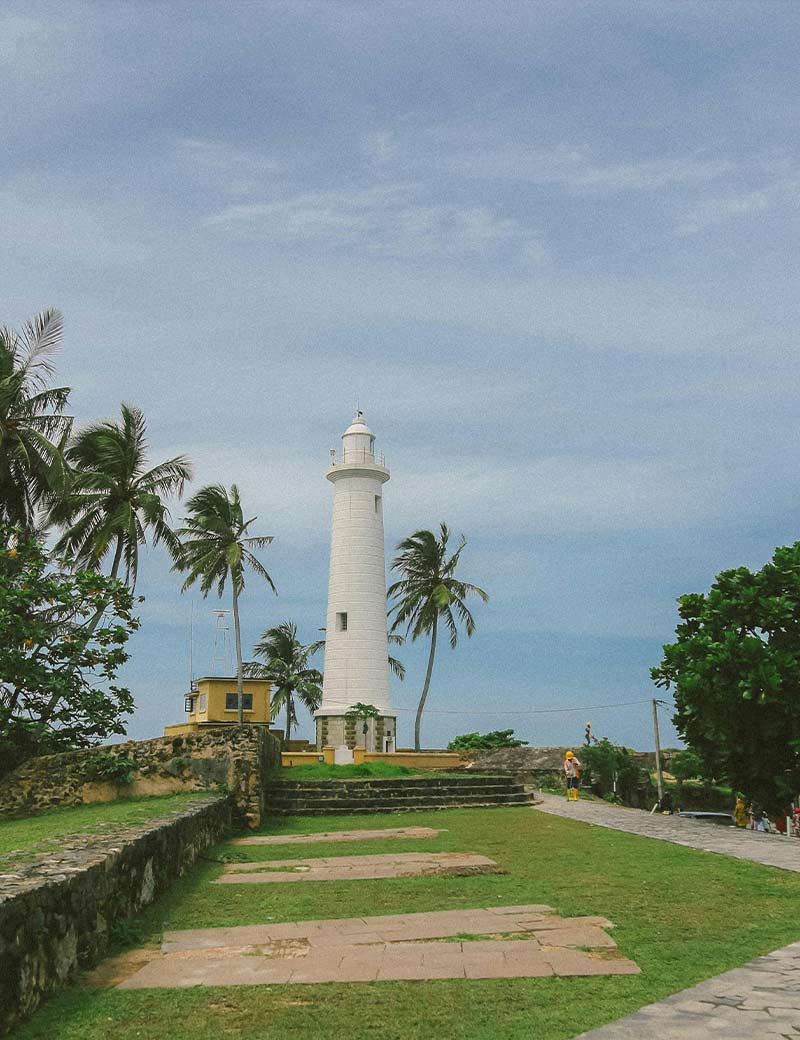
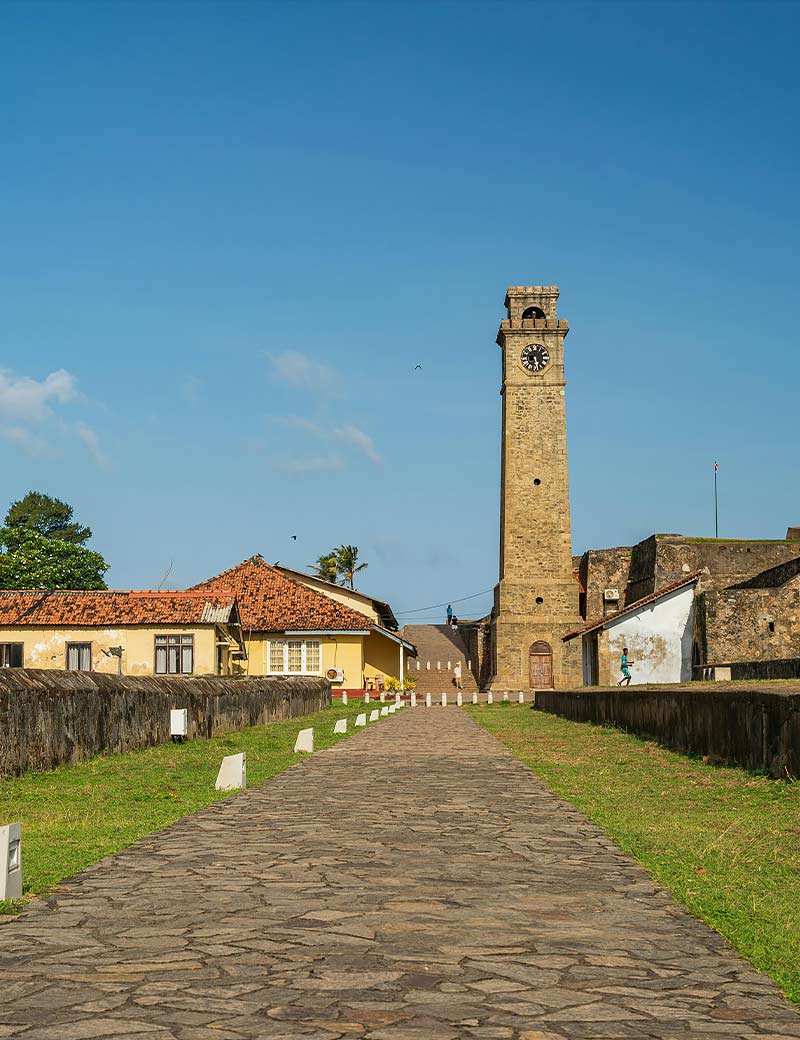
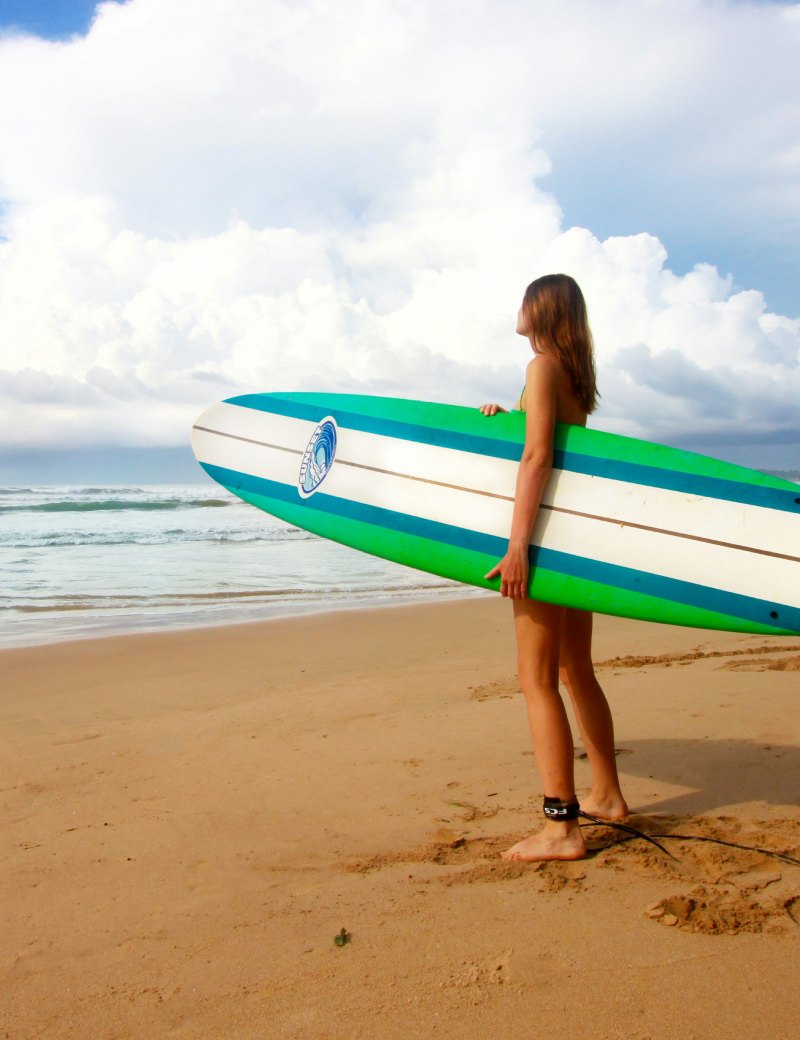
Whale watching works best as one of many activities in your coastal stay. You can head out early in the morning, return by midday, and still have time to explore nearby beaches, rivers, or historic towns.
Where you stay shapes that experience. Being close to departure points means you avoid long transfers and can choose the best time to go out based on conditions.
A stay at Mångata Galle places you within reach of plenty of coastal adventures while offering
quiet, mindful accommodation away from the busiest stretches. The design focuses on space, light, and privacy, which makes returning after a morning at sea feel like a much-needed reset.
From there, you can build out the rest of your trip. The
experiences curated by Mångata Galle allow you to explore beyond whale watching, from river safaris to slower coastal routes that give a fuller sense of the region.
To bring it all together, plan your stay at
Mångata Galle and shape your time along the coast around both movement and stillness.