Your Guide to the Kosgoda Turtle Hatchery, Sri Lanka
April 6, 2026
Along Sri Lanka’s southern coastline, where quiet stretches of sand meet the steady rhythm of the Indian Ocean, conservation and community come together in a way that feels both purposeful and deeply human. A visit to the Kosgoda Turtle Hatchery in Sri Lanka offers a closer look at one of the island’s most enduring wildlife efforts, set within a coastal landscape known for its natural beauty and slower pace.
The Mission of Koggala Turtle Hatchery
The Kosgoda Turtle Hatchery has long stood as one of Sri Lanka’s most recognised conservation initiatives. It was established in the 1980s with a clear goal: to protect endangered sea turtles from threats such as poaching, coastal erosion, and predation.
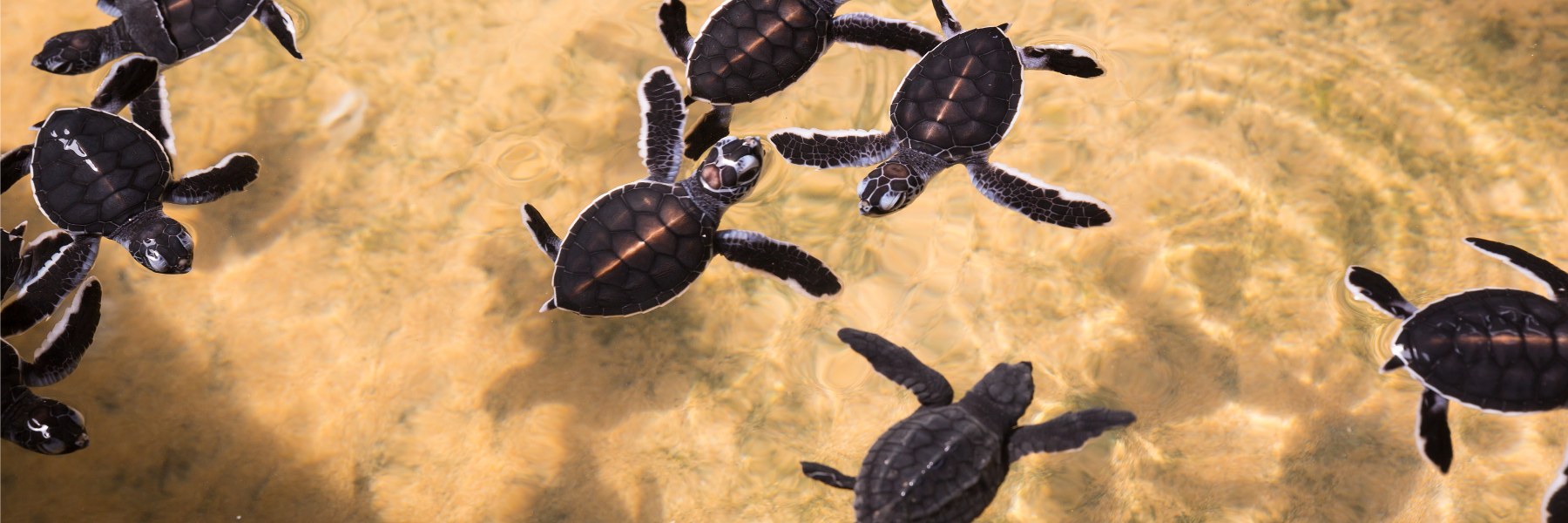
Local fishermen and residents bring turtle eggs to the Kosgoda Turtle Conservation and Research Centre, where they are carefully relocated into protected sand enclosures. This process significantly improves survival rates, allowing hatchlings a safer start before they are released into the ocean. The hatchery supports several species, including Green turtles, Hawksbill turtles, Olive Ridleys, Loggerheads, and occasionally Leatherbacks.
For travellers interested in an ethical turtle hatchery experience in Sri Lanka, Kosgoda remains one of the more transparent and long-standing operations. Its work is rooted in practical conservation with real-world results, allowing these wild animals the freedom they need with the right level of protection to survive.
What to Expect During Your Visit
A visit here focuses on showing how the hatchery actually works, step by step, so you understand each part of the conservation process. You begin with the sand hatcheries, where eggs are buried and labelled according to their collection dates. Guides explain the incubation process and how environmental factors influence hatching success.
Further along, you will find tanks housing hatchlings and turtles under rehabilitation. Some are only a few days old, while others are recovering from injuries caused by fishing nets or marine debris.
During your visit, you can expect to:
- Learn about Sri Lanka’s five sea turtle species
- See hatchlings at different stages of development
- Understand the process of egg collection and protection
- Observe rehabilitation efforts for injured turtles
If you arrive in the evening, you may witness a release. Seeing hatchlings move instinctively towards the ocean is a small but lasting moment and one of the most meaningful ways to experience turtle watching in Sri Lanka.
Turtle Watching Tips and Best Practices
Visiting a hatchery comes with a shared responsibility to respect the environment and the animals being protected. The experience is far more rewarding when approached with care and awareness.
Keep these guidelines in mind:
- Avoid handling turtles unless invited by trained staff
- Do not use flash photography near any live animals
- Visit in the early morning or late afternoon for a calmer setting
- Follow instructions closely when observing or photographing
As you move through the hatchery, you will see eggs being incubated, hatchlings being cared for, and turtles in recovery. Each of these reflects a different part of the conservation process, from protecting vulnerable nests to giving injured turtles time to heal before release.
You leave with a genuine appreciation for the work behind it, and a sense of responsibility to be more mindful of conservation in your own life.
A Thoughtful Base for Exploring the Southern Coast
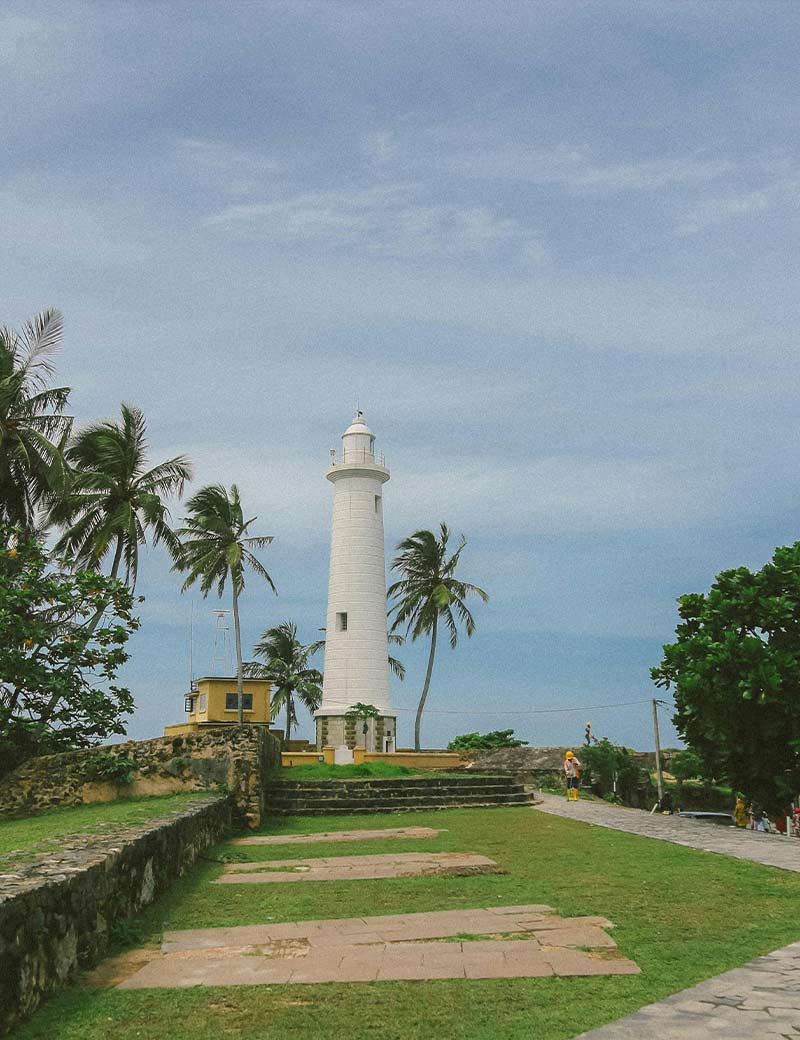
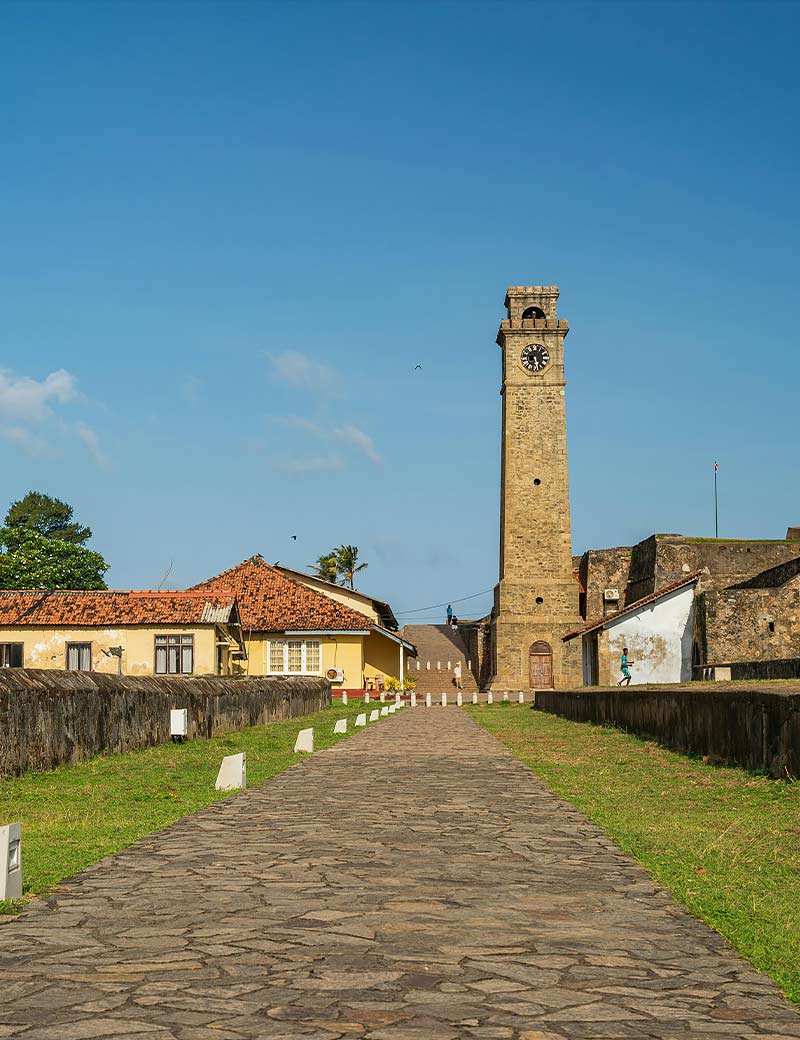
Kosgoda is one of those stops that fits easily into time spent along the southern coast. Within a short drive, you can move between the hatchery, a Madu River safari amongst many places to visit in Balapitiya, the streets of Galle Fort, and quieter stretches of beach without needing to plan too much in advance.
Where you stay shapes how smoothly that comes together. Being based nearby means you can visit the hatchery at the right time of day, explore the coast without rushing, and still return to somewhere that feels calm at the end of it.
Mångata Galle offers that balance. The
accommodation is designed around privacy and comfort, with a small number of thoughtfully designed rooms that feel quiet and considered. Clean lines, natural textures, and soft coastal tones create a space that allows you to properly unwind after a day out.
It also gives you the flexibility to build out the rest of your time along the coast. Through its
curated experiences, you can plan everything from wildlife encounters to slower coastal explorations, all within easy reach of the property.
To bring it all together, reserve your stay at
Mångata Galle and explore the southern coast at your own pace.
FAQs
- How much is the entrance fee for Kosgoda Turtle Hatchery?
Entrance fees typically range between USD 5 to 10 per person, depending on the hatchery and visitor category. Contributions support ongoing conservation efforts.
- When to see turtles in Sri Lanka?
Turtles can be seen year-round at hatcheries. For nesting activity in the wild, the peak season generally runs from November to April along the southern coast.
- How many types of turtles are there in Sri Lanka?
Sri Lanka is home to five of the world’s seven sea turtle species: Green, Hawksbill, Olive Ridley, Loggerhead, and Leatherback turtles.
- What is the best month to see whales?
The best months are typically December to April in the south, when ocean conditions are calmer and sightings are more consistent.